

What Ranking Volatility Says About Organizational Readiness
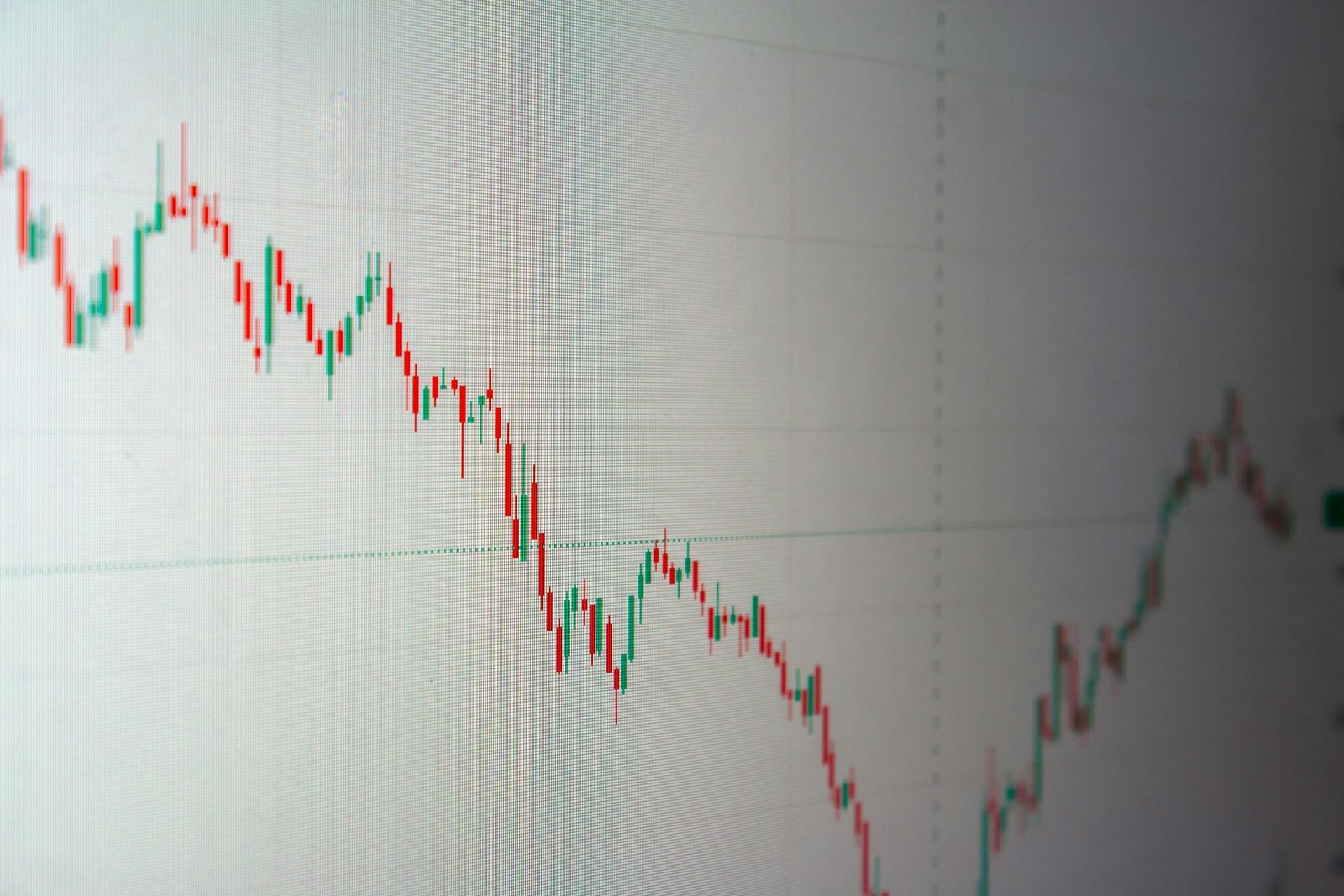
Search rankings rarely fluctuate without reason. While algorithm updates and competitive pressure play a role, persistent ranking volatility often reflects a deeper issue than SEO execution alone. It can act as a mirror for organizational readiness, exposing how well teams, systems, and decision-making processes are aligned.
Rather than viewing volatility as a technical annoyance, organizations that interpret it correctly can use it as an early indicator of structural strengths and weaknesses.
Understanding Ranking Volatility as a Signal
Ranking volatility refers to frequent or unpredictable changes in keyword positions over time. Short-term movement is normal, but sustained instability often points to inconsistent signals being sent to search engines and users alike.
Those inconsistencies usually originate from how an organization operates, not just how it optimizes pages.
When Volatility Reflects Strategic Uncertainty
One of the most common causes of ranking instability is unclear strategic direction. When messaging, targeting, or priorities change frequently, content and optimization efforts tend to follow suit.
This can show up as:
· Pages being rewritten without a consistent intent framework
· Keyword focus shifting based on short-term goals
· Content produced reactively rather than as part of a system
Search engines respond to this lack of coherence by testing positions, resulting in volatility rather than stability.
Organizational Alignment and Search Stability
Stable rankings often correlate with strong internal alignment. When teams share a clear understanding of audience, value proposition, and long-term goals, those signals are reflected consistently across content, structure, and technical decisions.
Volatility, by contrast, may suggest:
· Marketing and product teams operating in silos
· Inconsistent input from multiple stakeholders
· Decisions driven by urgency rather than evidence
Search performance becomes unstable when internal alignment is unstable.
Process Maturity Shows Up in Rankings
Organizations with mature processes tend to produce predictable search outcomes. This includes structured content planning, controlled release cycles, and disciplined optimization practices.
High volatility can indicate:
· Changes being deployed without impact assessment
· Multiple initiatives running concurrently without coordination
· A lack of monitoring between updates
Using tools that allow teams to monitor movement over time, such as a rank tracker keyword, helps distinguish between healthy testing and systemic instability.
Technical Foundations as a Readiness Indicator
Ranking volatility can also highlight weaknesses in technical readiness. Frequent changes to site architecture, inconsistent internal linking, or unresolved performance issues often trigger ranking fluctuations.
These issues are rarely isolated. They tend to reflect broader challenges in governance, documentation, and ownership of digital infrastructure.
Organizations with clear technical accountability usually see fewer unexpected ranking swings.
Leadership Response to Volatility Matters
How leadership reacts to ranking changes is itself a measure of readiness. Overreaction to minor fluctuations often leads to rushed decisions that compound instability.
More prepared organizations:
· Observe trends over time rather than daily movement
· Separate signal from noise
· Use volatility as a prompt for investigation, not panic
This measured approach tends to stabilize performance rather than disrupt it.
Volatility as a Diagnostic Tool
When interpreted correctly, ranking volatility can help organizations ask better questions:
· Are priorities being communicated clearly across teams?
· Is content being produced with consistent intent?
· Are changes being evaluated before new ones are introduced?
The answers often reveal readiness gaps that extend far beyond search.
From Reactive Fixes to Organizational Signals
Treating volatility as an issue to “fix” misses its value. Treated as a signal, it becomes a form of feedback on how well an organization operates under change.
Teams that monitor rankings systematically, using tools designed to track patterns rather than snapshots, gain insight into whether instability is external or internally driven.
Summing Up
Ranking volatility is not just an SEO issue. It is often a reflection of how aligned, disciplined, and prepared an organization is to operate consistently in a competitive environment.
Organizations that read volatility as a signal rather than a setback gain more than stable rankings. They gain clarity on readiness, resilience, and the strength of their internal systems.