

The Convergence of IoT and Industrial Mobility: Real-Time Tracking for Every Asset
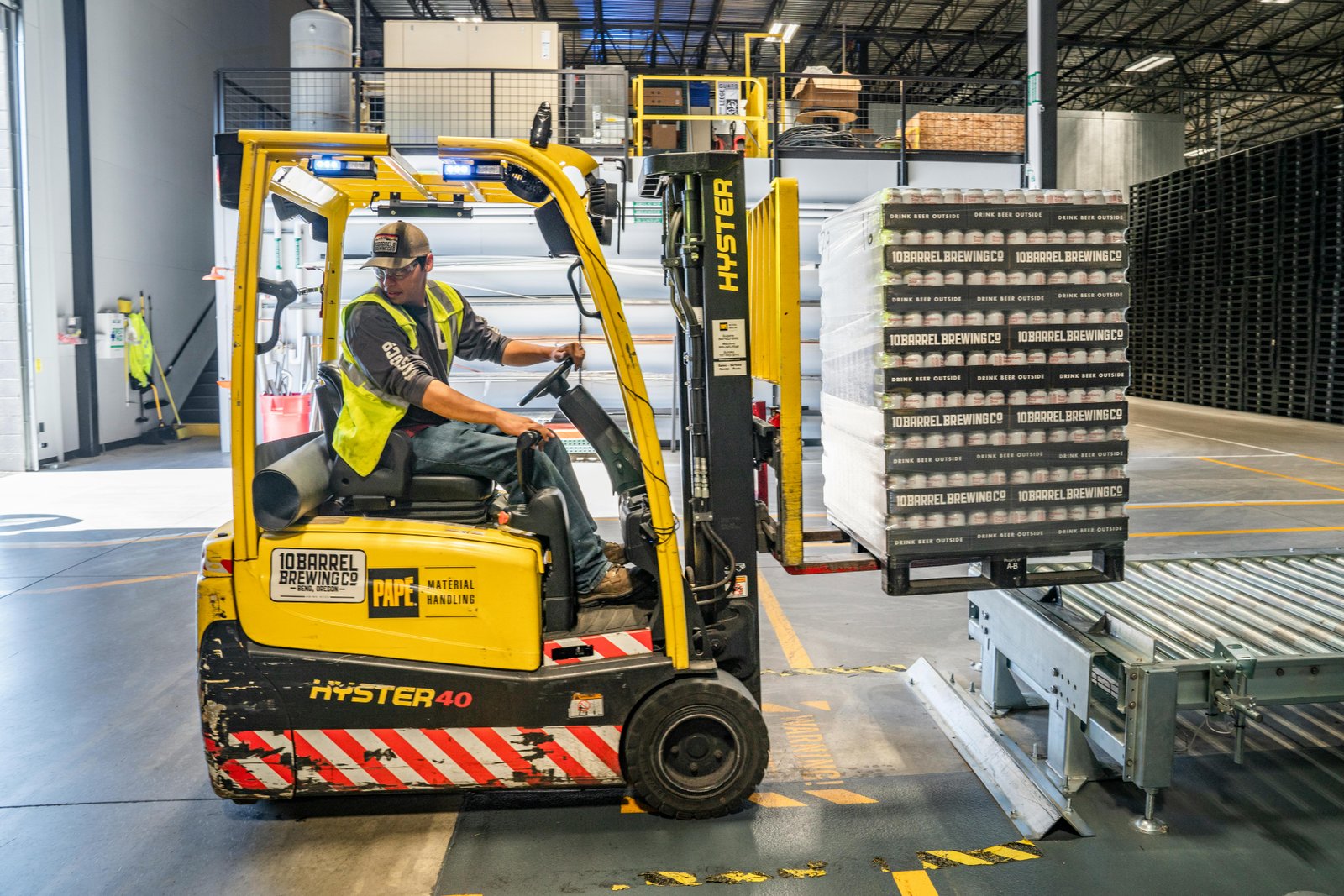
Across manufacturing floors, warehouses, and distribution hubs, one thing has become obvious: the pace of work has changed. Teams no longer have the luxury of waiting for the end of the day updates or hoping every shipment is where it should be. Operations today move in real time, and people on the ground feel the pressure when information doesn’t keep up. That’s why visibility is true. Immediate visibility has become such a powerful force in modern industry. It turns uncertainty into confidence and helps organisations stay steady even when the world around them shifts without warning. Anyone working in industrial environments knows the familiar tension that comes from not knowing. Not knowing where a shipment is. Not knowing if the machinery is running safely. Not knowing whether a delay is just a hiccup or the start of a much bigger problem. Real-time tracking takes that weight off the shoulders of teams who are constantly juggling priorities. Recent findings from McKinsey show that companies with connected operations experience fewer disruptions and smoother workflows, and that improvement is felt most by the people managing these environments every day. It’s easier to breathe when updates arrive the moment things change. Industrial mobility isn’t just about devices or networks; it’s about giving people information exactly when they need it. The person walking the length of a warehouse, the technician diagnosing a piece of equipment, the coordinator trying to keep a busy shift on track, these roles run on movement. Mobility tools bring clarity into those moments. A simple scan can reveal a maintenance history that once required digging through folders. A handheld device can show which truck is delayed and how long the wait will be. These small moments of clarity reduce stress and make daily tasks feel more achievable. IoT takes mobility a step further by creating a constant rhythm of data flowing through the operation. Sensors notice things humans can’t, for example, temperature shifts, unusual vibrations, slight deviations in movement, and share that information instantly. This creates a safety net that people naturally rely on. A machine doesn’t have to fail before attention is drawn to it. A container handled roughly during transit doesn’t go unnoticed. A shipment that deviates from its expected route triggers an alert before it becomes a crisis. A recent Gartner analysis highlights that IoT improvements reduce risk and support more sustainable operations, but the benefit is also emotional: teams feel more in control, and that confidence affects everything. When operations run without clear information, even small issues can feel overwhelming. Real-time tracking softens those edges. It brings calm into environments where pressure is part of the job. Imagine a warehouse during peak hours, for example, forklifts moving, phones ringing, and people trying to multitask. A single dashboard showing where shipments are, which equipment needs attention, and what tasks are next can make the whole scene feel less chaotic. That kind of clarity changes how teams work and how they feel while doing it. What’s interesting about this new era of tracking is that it’s no longer just the major machinery being monitored. Everyday tools and storage units are becoming part of the connected ecosystem too. When items that were once handled manually begin carrying their own data stories, operations naturally become smoother. In this context, solutions like pallet boxes fit easily into digital strategies. When traceable or sensor-enabled, they help reduce misplaced inventory and give organisations one less thing to worry about during already demanding schedules. The next chapter of industrial mobility will rely heavily on prediction. Systems will notice patterns long before humans can. Equipment will communicate maintenance needs early enough to avoid downtime altogether. Edge computing will allow split-second decisions during critical operations. AI will help warehouses plan around congestion before it even forms. These aren’t distant ideas; they’re already taking shape. And as they become more common, teams will experience a new kind of operational stability: one where information arrives before problems do. Real-time tracking is no longer just a tool. It’s becoming the quiet support system that helps people do difficult work with more confidence, more clarity, and far fewer surprises.Why Real-Time Awareness Feels So Different
Mobility Helps Information Reach the Right Hands
IoT Gives Operations a Sense of Rhythm
The Human Calm That Comes with Accuracy
Connecting Every Asset, Big or Small
Where Industrial Mobility Is Heading Next