

Food Packaging Solutions That are Reliable for Decades & Beyond
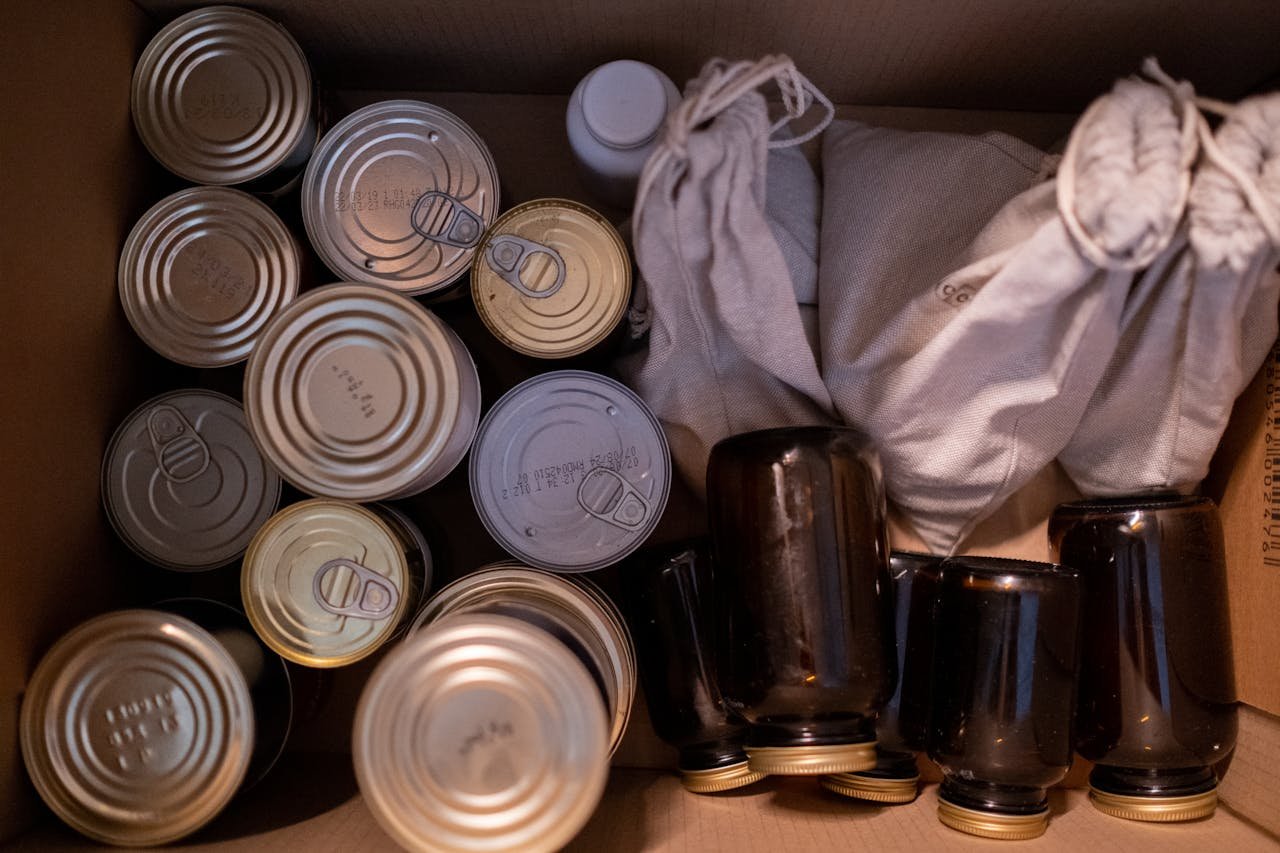
Food is life, and life relies on food. Isn’t it? From the farms, fields, to processing units, to our homes, food goes through an extensive logistics process before we take a bite. The journey continues after its consumption, but what actually matters is how it’s packed. The material of the packaging determines how the food is treated, and whether we can store it for some more time or not. That’s why this blog will uncover those dependable solutions that have been the benchmark of the industry for ages and will surely remain the same. Let’s explore what those packaging materials and choices have been serving for years and are expected to last longer than we live. First of all, the history of glass containers is fascinating, dating back to around 1500 BC in Mesopotamia and Egypt used to store oils and similar essentials. From that era to the Industrial Revolution and today’s date, glass material has been the top source of preservation of food content. Currently, it’s widely used to store jams, prepare pickles, and preserve a variety of food with peace of mind. Next, we have the metal food packaging material, including aluminum or steel cans. When it comes to the long shelf life, this substance always winds up offering a superior barrier against light, oxygen, and moisture. Also, wholesale tin packaging solutions for businesses allow them to minimize their packaging costs and offer something exceptional to their users. You may often see these in the markets and grocery stores, having liquid food content packed in them. Structural factors consist of multi-layer paperboard, with a certain ratio of plastic, and an aluminum blend that has the ability to keep the content the same for 50 years. These are known as Tetra Pak and are also able to offer a refrigeration-free shelf presentation. For some food product packaging, strength is non-negotiable, while for others, they demand a lightweight and flexible solution. The food pouches made from PP & PE materials are the benchmark of sealed packaging as they can be printed or remain transparent — depending upon the presentational demands. Food trays made for CPT are one of the top solutions for ready-meals, offering delivery-friendly solutions at a competitive cost. Since these are heat-resistant, they can either be heated in the oven or in the microwave without losing their structural integrity. Available in a range of portion sizes, businesses can opt for 4 oz to over 85 oz and a custom volume that fulfills their serving needs. Last but not least, nothing can beat the food packaging material as paper-based substances. The highly versatile, recyclable, and biodegradable packaging provides a reliable solution from local street food shops to multinational chains. Since it’s lightweight but sturdy, there is a range of packaging options for these, such as high-quality printed tuck boxes, paper cups, or disposable kraft trays, etc. Packing a product shouldn’t be a concern? We wrap it and store it in the ideal environment, and we’re good to go. This seems like a smooth process to a certain degree. But for food, the scenario is a bit different. Yes, there is not only one but multiple factors that contribute to the preservation of food content. Below are some of the aspects that define why it’s demanding to comply with food packaging: Protection & Safety: First of all, the ideal packaging for food prevents it from contamination and ensures it remains in the best state. The best-preserving environment allows the content to maintain its flavour, texture, and richness for a long time. While its opposite can be costly for businesses to households. Shelf-life Extension: You may see some products have an extensive shelf life for years and even decades. While for others it’s too short because of the food’s chemistry. Environmental: The internal environment of food packaging determines how long it will stay in a consumable state. For instance, dry food items like beans, nuts, chews, etc, stay in their best state if kept in an air-tight environment. While foods like milk, bread, or vegetables are prone to spoilage inside containers unless they’re treated in the pre-packaging phase. Cost Management: The packaging material is determined by the brand’s position, as low-budget food products are packed in low-cost boxes or bags. Whereas, premium food content is packed in durable tins, containers, and custom solutions to provide a unique experience to the end user. Waste Reduction: Since the food’s consumption cycle is short and predefined. It’s always preferred to pack it in eco-friendly packaging materials to ensure they’re safe for the environment. This kind of strategic approach may seem simple, but in reality, it brings significant changes for the planet. Strict Regulations: Another factor why food packaging is under the radar is the packaging grades. It must follow the local and federal regulated standards, also known as FDA guidelines, because these provide consumers with a green signal about their consumption. Quality Assurance: Packaging is meant to provide an ideal environment for food. Right? But there’s something else it demands — the preservation of nutritional value. This means that while being FDA-compliant, it must be the preserver of the nutrition. As we’ve explored the evergreen solution for food preservation. Opting for the best-fit packaging material isn’t tricky but demands some effort to get the ideal solution. Once selected, businesses can rely on it for a long time unless there are some exceptional criteria changes for the preservation of the food content. It’s better to consult with a professional or an expert in the field, as it will eliminate the guesswork and provide you with a ready-to-use solution.Timeless Packaging Options for Food to Retain Its Taste & Flavour
Glass Containers
Metal Packaging
Aseptic Cartons
Flexible Plastic Films (PP/PE)
Crystalline Polyethylene Terephthalate
Paper & Cardboard
Why Food Preservation isn’t Dealt Differently Than Regular Packaging?
The Bottom Line