

AI and the Casino Conundrum: Should the House Be Worried?
The relentless AI boom is naturally causing every industry to examine how it will be impacted by the technology. Indeed, you can get a sense from many that they are trying hard not to repeat the mistakes of the 1990s, when the companies and sectors that failed to anticipate the coming ubiquitousness of the internet faced the consequences as we reached the 2000s. That’s arguably one of the reasons that many enterprises are incorporating AI into their systems, even if they aren’t quite sure what to do with it yet. Nobody wants to be left behind.
And yet, that touches upon an important issue: We know that AI will impact different sectors, but we do not quite know how. Moreover, it is different from the roll-out of the web in the 1990s, when it was fairly easy to predict that, for example, online bookstores would represent a clear and present danger to the business models of bookstores in physical locations.
AI could present unique challenges to iGaming sector However, it’s also interesting to consider whether AI will present challenges to specific sectors, beyond the considerations of the business models. Casinos, for instance, particularly online casinos, might seem like they should be on high alert. After all, this is an industry built on probabilities, data, and psychology, which are three domains where AI is already proving frighteningly effective.
In saying that, there is much more to AI versus casinos than “clever bots can beat the house.” In pure mathematical terms, they do not have anything to worry about. If you play craps online at DraftKings, as a human, for instance, there isn’t much that a bot can do better, beyond perhaps implementing a strategy that has already been designed by humans. The same goes for software-based games like slots.
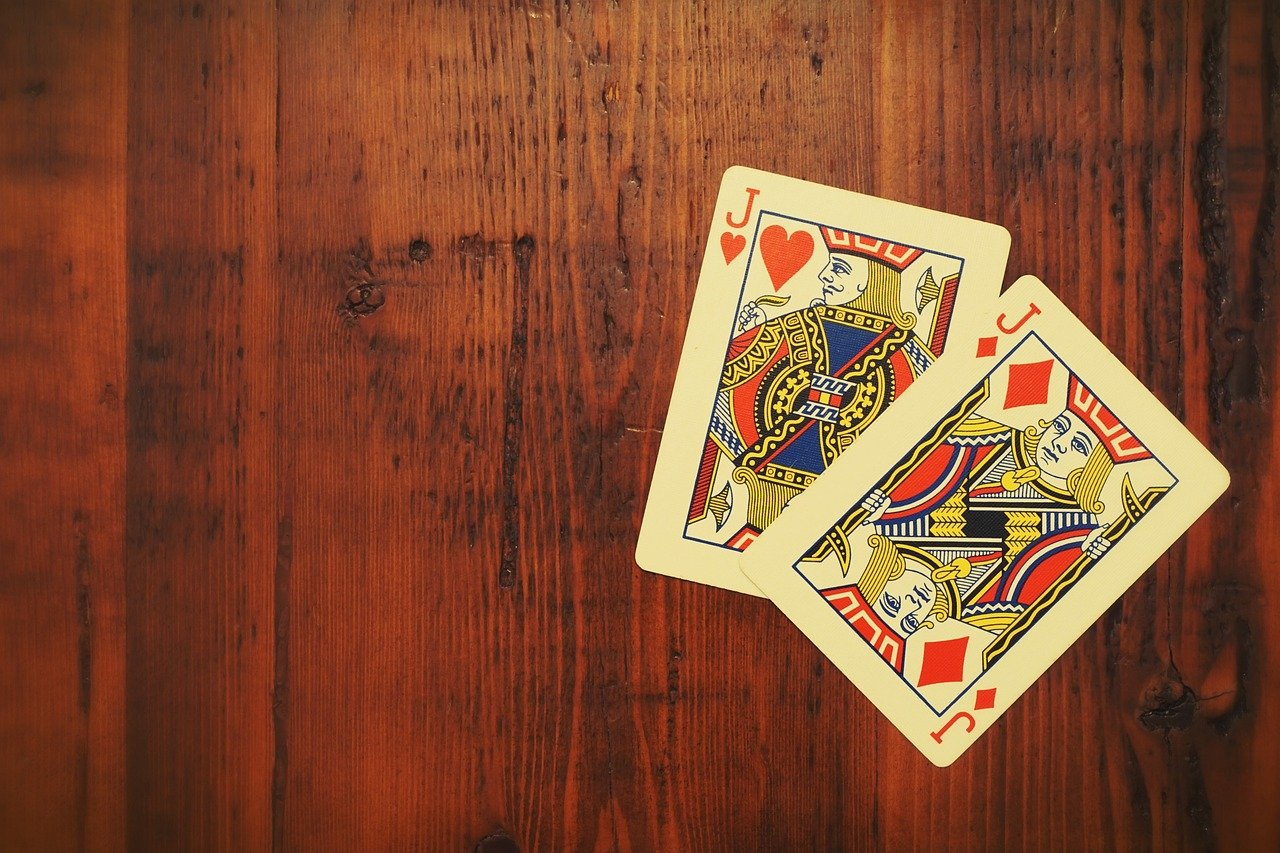
Card games, however, are a bit more interesting. Poker sites, which are often distinct from online casinos as they operate on a player-versus-player basis, are already facing issues with bots playing in the poker rooms. It’s causing consternation among experienced players in the card rooms, and it is becoming increasingly difficult for them to combat it.
Blackjack is a little more interesting, as it is player versus dealer. Blackjack games come in both software-based versions (based on a Random Number Generator), which would be impossible for any AI bot to predict beyond the system itself being hacked, as well as live dealer versions, which use real cards, etc. It would, however, be fairly tough for AI to use strategies like card counting when multiple decks are in use, as well as automatic shuffling after a deal. In short, if it is impossible for a human, it’s likely to be out of reach for AI too.
So, where, if anywhere, will casinos have to adapt to AI? You might argue that there could be issues with AI scripts looking across the internet for bonuses and promotions, perhaps even creating multiple accounts to avail of them. You might also see issues with matching betting, i.e., simultaneously betting all outcomes of a sports event using promos like free bets for guaranteed profits. AI could potentially help with fraudulent sign-ups and spoofing KYC procedures. These are all important challenges that betting and gaming regulators will want to see casinos tackle.
AI might also provide casinos with tools to elevate business On the other hand, it’s worth noting that AI will also aid casino operators in combating issues mentioned above. Incorporating AI into the casinos will help analyze fraudulent patterns of play, aid with game testing, pinpoint bugs or flaws in games, and aid in other areas, like helping offer more personalized experiences.